Cardiovascular Risk
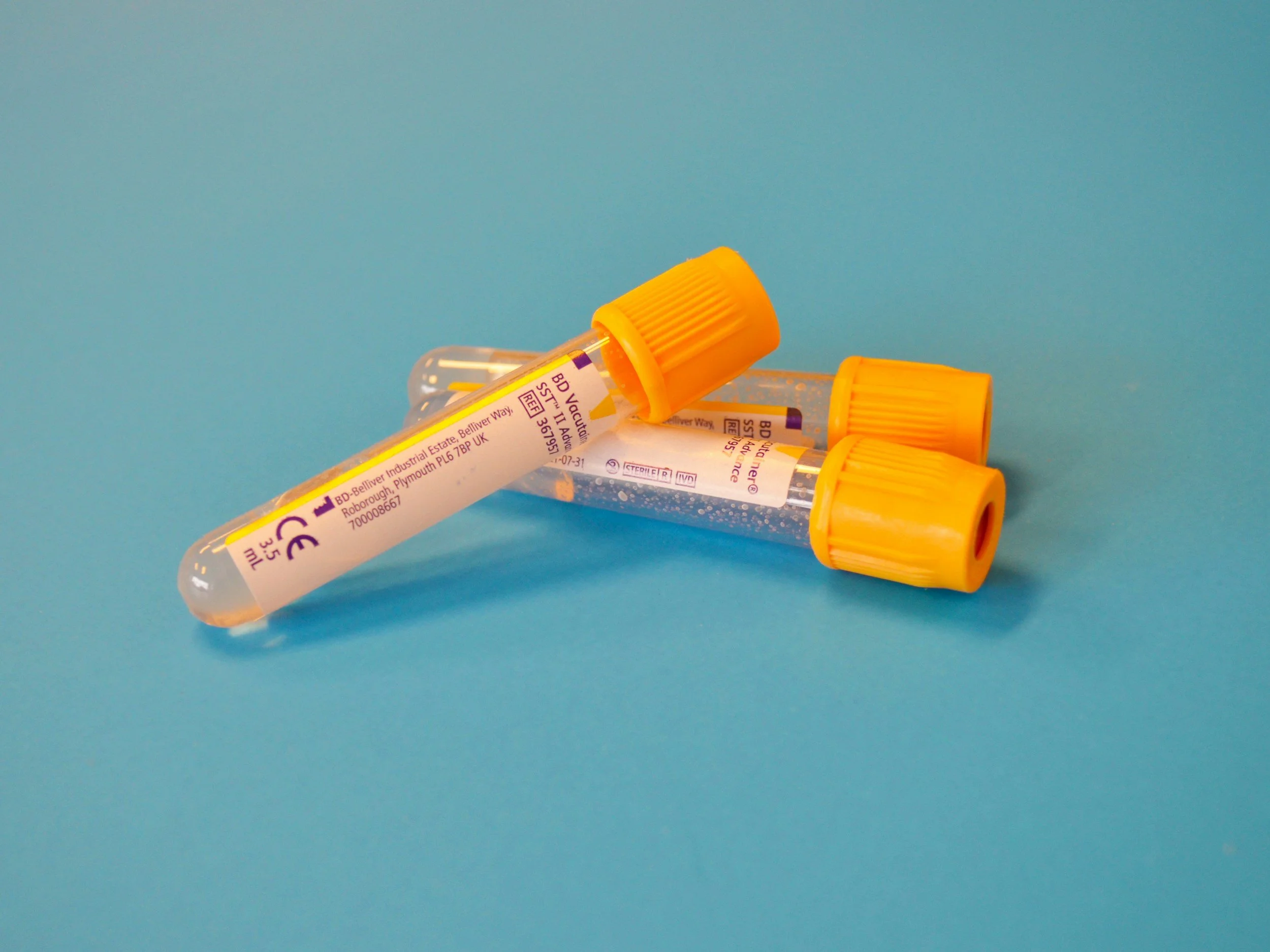
“The heart doesn't always give warning signs. Know your real risk before it's too late.”
Get a cholesterol and cardiovascular risk analysis from home to understand your heart health before it's too late. ApoB, ApoA1, Lp(a), LDL, HDL, and more are included in this test.
Certified laboratory.
Results in 24-48 hours.
Secure and confidential data.
Considered the leading cause of death. It often gives no clear warnings or indications, but measures can be taken before it occurs.
Promotional Code and Services
For the 10% discount to be valid, you must enter the following promotional code when prompted on the purchase page: MEDITERRANEANDOCTORS
The code includes capital letters, all together. You can copy and paste it.
What does this profile include?
-
This is a hereditary cardiovascular risk factor, present in approximately 20% of the population. It is one of the most underdiagnosed markers and cannot be corrected by diet alone.
-
A protein found in atherogenic particles (LDL and VLDL). Many cardiologists consider it the best predictor of cardiovascular risk.
-
It is the main protein in HDL particles and measures their ability to transport cholesterol from tissues to the liver.
-
Reflects the balance between atherogenic and protective particles. Considered the best predictor of cardiovascular risk.
-
Known as bad cholesterol. It transports cholesterol to the arteries, and its accumulation in the arterial wall is the main mechanism of arteriosclerosis.
-
Good cholesterol. It removes excess cholesterol from the arteries and transports it to the liver for elimination. High levels are protective.
-
Overall average of lipoproteins in the blood. It is an initial indicator of the lipid profile, although by itself it does not distinguish between protective and atherogenic fractions.
-
Very low-density lipoprotein that transports triglycerides in the blood.
-
It is the type of fat in the blood related to diet, alcohol consumption, and glucose metabolism. Elevated levels increase cardiovascular risk.
-
Estimates insulin resistance and cardiovascular risk simply.
Importance and Benefits of the Analysis
The leading cause of death, silent for decades.
Cardiovascular risk is the leading cause of death worldwide because it encompasses diseases such as heart attack and stroke, which affect vital organs. These conditions are associated with highly prevalent factors (hypertension, high cholesterol, diabetes, smoking, sedentary lifestyle, and obesity) and often develop silently over years. Many people do not show obvious symptoms until an acute and potentially fatal episode occurs, which is why it is said to "give no warning" and underscores the importance of prevention, risk factor control, and regular check-ups.
Lipoprotein(a): hereditary risk.
It is present in 20% of the world's population. ApoB helps identify hidden cardiovascular risk that does not appear in classical parameters.
Acting years in advance helps.
Knowing cardiovascular risk before it occurs allows the healthcare system to act proactively and prevent the possibility of stroke, heart attack, or heart failure. Possible measures (depending on the patient) are prescribed by doctors, including in certain cases exercise, reduction of oxidative stress, and, if necessary, the initiation of preventive medical treatment.